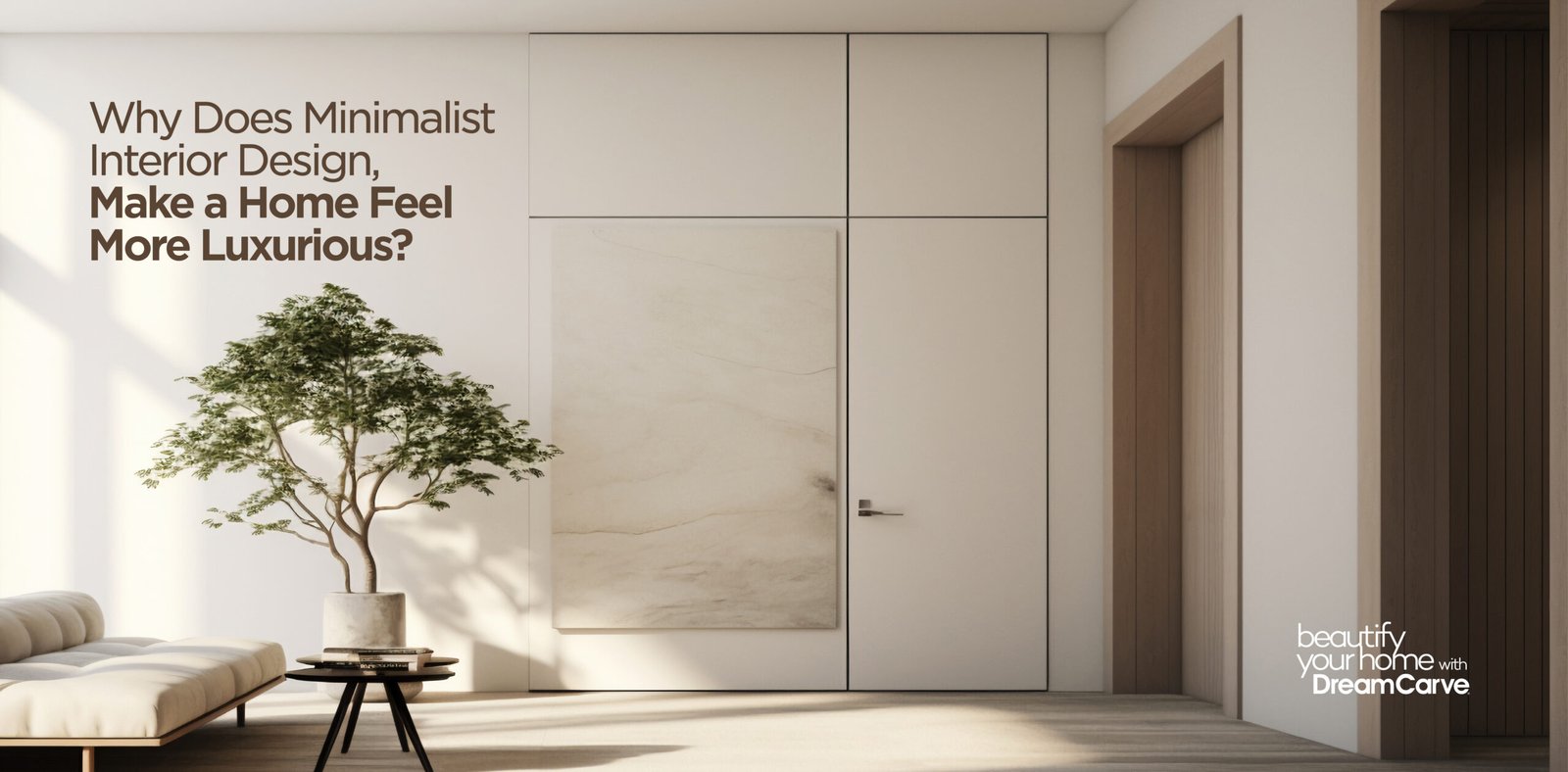
What if the secret to a beautiful home isn’t adding more, but choosing less?
For years, luxury was often associated with larger furniture, elaborate décor, and rooms filled with accessories. Today, that perception is changing. Homeowners are discovering that a well-planned space with fewer, purposeful elements can feel more elegant, functional, and inviting than one filled with unnecessary items.
This is the philosophy behind minimalist interior design. It focuses on creating spaces that are simple, practical, and timeless while ensuring every corner serves a purpose. Rather than following short-lived trends, minimalist interiors prioritise comfort, organisation, and thoughtful design that enhances everyday living.
Minimalism is also closely associated with intentional living and reducing unnecessary visual and material clutter. Architectural Digest’s guide to minimalist interior design explains how the style centres around simplicity, functionality, meaningful possessions, and timeless design.
If you’re looking to create a home that feels spacious, peaceful, and easy to maintain, minimalist interior design is one of the smartest choices you can make.
What Is Minimalist Interior Design?
Minimalist interior design is a design philosophy built around the idea that every element in a home should have a purpose. Instead of filling a space with excessive décor, it emphasises clean layouts, functional furniture, natural light, and clutter-free living.
The goal isn’t to create an empty home. It’s to design a space where beauty comes from simplicity, balance, and thoughtful planning.
If you’re still considering whether professional planning is worth it, our guide on why interior design matters for your home explains how thoughtful design can improve everyday living.
Less Is More
One of the core principles of minimalist design is “less is more.” Rather than adding more furniture or decorations, the focus is on choosing fewer, high-quality pieces that genuinely add value.
Every item is carefully selected to serve a purpose, making the home feel open, organised, and intentional.
Every Element Has a purpose.
In a minimalist home, nothing is placed without reason. A coffee table provides functionality, a bookshelf offers organised storage, and decorative pieces are chosen because they contribute to the overall design instead of creating visual clutter.
This approach is not simply about making a room look tidy. Research published in the Journal of Consumer Research explores how people experience and manage material disorder and clutter within their homes, highlighting the difference between visual order, tidiness, and clutteredness.
Beauty Through Simplicity
Minimalism proves that simplicity can be elegant. Neutral colours, clean lines, natural materials, and balanced layouts work together to create a home that feels calm, sophisticated, and timeless.
Explore our interior design gallery to see how thoughtful planning can transform everyday spaces.
Function Before Decoration
A beautiful home should also be practical. Minimalist interiors prioritise layouts that improve everyday living, ensuring that furniture placement, storage solutions, and room functionality come before decorative elements.
Recent research on minimalist housing also examines simplicity, openness, functionality, materiality, and balance as important spatial principles, while considering their relationship with daylight, ventilation, and environmental experience.
Why Is Minimalist Interior Design Becoming More Popular?
Minimalist design has become increasingly popular because it aligns with the way people live today. Modern lifestyles demand homes that are functional, adaptable, organised, and easy to maintain.
Modern Lifestyles Demand Simplicity
Busy schedules leave little time to manage clutter or maintain overly decorated spaces. Minimalist homes simplify daily life by creating organised environments that require less effort to maintain.
Smaller Homes Need Smarter Design
With apartments and compact homes becoming increasingly common, homeowners are looking for ways to maximise every square foot.
Minimalist interiors help smaller spaces feel larger through smart layouts, built-in storage, and efficient furniture planning — exactly what our interior design services are designed to achieve.
The Rise of Work-From-Home Living
Many homes now include dedicated workspaces. Minimalist interiors can create distraction-free environments that support better focus while maintaining a comfortable balance between work and personal life.
Easy Maintenance
Fewer decorative items and better organisation make cleaning faster and easier. This allows homeowners to spend more time enjoying their homes rather than constantly maintaining them.
Mental Well-Being
An uncluttered environment can create a sense of calm and relaxation. Organised spaces reduce visual distractions and can help create a more comfortable living environment.
The American Institute of Architects’ Framework for Design Excellence also highlights healthy design, access to natural light, and connection with nature as important considerations for occupant well-being.
Timeless Appeal
Unlike trend-based designs that can quickly become outdated, minimalist interiors remain stylish for years. Their simplicity also makes it easier to refresh the space without major renovations.
Benefits of Minimalist Interior Design
Creates a Calm and Peaceful Home
Minimalist spaces encourage relaxation by reducing unnecessary visual distractions. Clean layouts and balanced interiors create an environment where it’s easier to unwind after a busy day.
Makes Spaces Feel Larger
Thoughtful furniture placement, open layouts, and uncluttered rooms can create the impression of more space, even in smaller homes.
Improves Functionality
Every room is designed to support daily activities efficiently. From well-planned kitchens to practical wardrobes, minimalist interiors improve the way a home functions.
Encourages Better Organisation
Built-in storage solutions ensure that everyday items have dedicated spaces, reducing clutter and making it easier to keep the home organised.
Saves Time on Maintenance
With fewer decorative objects and better storage planning, cleaning becomes quicker and more manageable.
Reduces Unnecessary Spending
Minimalist design encourages homeowners to invest in durable, high-quality furniture instead of purchasing multiple decorative items that may lose relevance over time.
Enhances Property Appeal
Simple and elegant interiors have a timeless quality that can appeal to a wide range of homeowners and potential buyers.
Key Elements of Minimalist Interior Design
Creating a successful minimalist home involves more than simply removing furniture and décor. The right combination of colour, materials, lighting, storage, and layout creates a space that feels both simple and complete.
Neutral Colour Palette
Soft shades such as white, beige, grey, and earthy tones create a bright, clean atmosphere while helping rooms feel spacious and harmonious.
Clean Lines
Furniture with simple shapes and uncluttered silhouettes contributes to a modern and balanced appearance without overwhelming the space.
Functional Furniture
Each piece of furniture should provide practical value while complementing the overall design. Multi-functional furniture can be especially useful in compact homes.
Smart Storage Solutions
Hidden storage, modular cabinets, and custom wardrobes help maintain a clutter-free environment while maximising available space.
Open Layouts
Minimalist interiors encourage smooth movement between spaces, making homes feel larger, more connected, and easier to navigate.
Natural Materials
Wood, stone, glass, and other natural materials add warmth and texture while maintaining the simplicity of the design.
Natural materials are also increasingly discussed within evidence-based biophilic design research. A recent review of biophilic interventions examined elements including natural light, natural materials, indoor plants, and views of nature in relation to restorative outcomes.
Layered Lighting
A combination of natural light, ambient lighting, task lighting, and accent lighting creates a comfortable atmosphere throughout the home.
Natural light deserves particular attention in minimalist interiors because uncluttered surfaces can allow daylight to become an important visual element within the room. The American Institute of Architects recommends designing spaces to facilitate daylight penetration while balancing it with glare and solar heat considerations.
Thoughtful Décor
Minimalist homes don’t have to be completely free of decoration. Instead, they feature a few carefully selected accessories that enhance the overall design without creating clutter.
Common Myths About Minimalist Interior Design
Myth 1: Minimalist Homes Look Empty
Minimalism isn’t about removing everything. It’s about keeping only what adds value and ensuring every space feels intentional rather than vacant.
Myth 2: Minimalist Design Is Boring
Simple doesn’t mean dull. Combining textures, natural materials, lighting, and subtle colour variations can create warmth and visual interest.
Myth 3: Minimalism Is Only for Large Homes
In reality, smaller homes can benefit significantly from minimalist planning because it helps maximise available space and improve functionality.
Myth 4: Minimalist Interiors Lack Personality
A minimalist home can still reflect the homeowner’s personality through artwork, meaningful décor, customised furniture, and carefully chosen finishes.
Myth 5: Minimalism Is Expensive
Minimalism focuses on buying better, not buying more. Investing in durable materials and timeless furniture can reduce unnecessary spending over time.
You can get a realistic estimate for your home using our home interior price calculator. For common questions about pricing, timelines, and materials, visit our frequently asked questions.
Tips to Create a Minimalist Home
Start by decluttering.
Evaluate each room and remove items that no longer serve a purpose. A clutter-free space is the foundation of minimalist design.
Choose Quality Over Quantity
Invest in furniture and materials that are durable, functional, and designed to last rather than filling your home with unnecessary pieces.
Plan Storage Early
Incorporate wardrobes, modular cabinets, and hidden storage during the design stage to keep everyday items organised.
Learn more about our design and execution process, from the initial consultation to final installation.
Keep the Colour Palette Consistent
Using complementary colours throughout the home creates visual continuity and makes spaces feel larger and more harmonious.
Maximise Natural Light
Allow sunlight to become part of your interior design by choosing larger windows, suitable curtains, and layouts that encourage natural brightness.
Good daylight planning is particularly important in residential interiors. Research and professional design guidance increasingly treat daylight not only as an energy consideration but also as an important component of occupant comfort and well-being.
Decorate With Intention
Select a few meaningful decorative items instead of filling shelves with accessories. Every piece should contribute to the overall design.
Prioritise Comfort
Minimalism should never compromise comfort. Choose furniture, lighting, and layouts that support your daily lifestyle while maintaining a clean aesthetic.
Conclusion
Minimalist interior design isn’t about owning less. It’s about living better.
By focusing on functionality, thoughtful planning, and timeless aesthetics, minimalist interiors create homes that feel spacious, organised, and welcoming. They simplify daily life while allowing your home to adapt to your changing needs over the years.
At DreamCarve Interiors, we believe great design isn’t measured by how much you add to a space, but by how thoughtfully every element works together.
Whether you’re designing a new home or renovating an existing one, our approach combines simplicity, practicality, and personalised design to create interiors that are elegant, functional, and built around the way you live.
Talk to our design team to start planning your minimalist home. Beautify your Homes with DreamCarve🌟